Ecological Restoration of the Las Golondrinas Dune
20.01.2026 Dune conservation
Dune Las Golondrinas
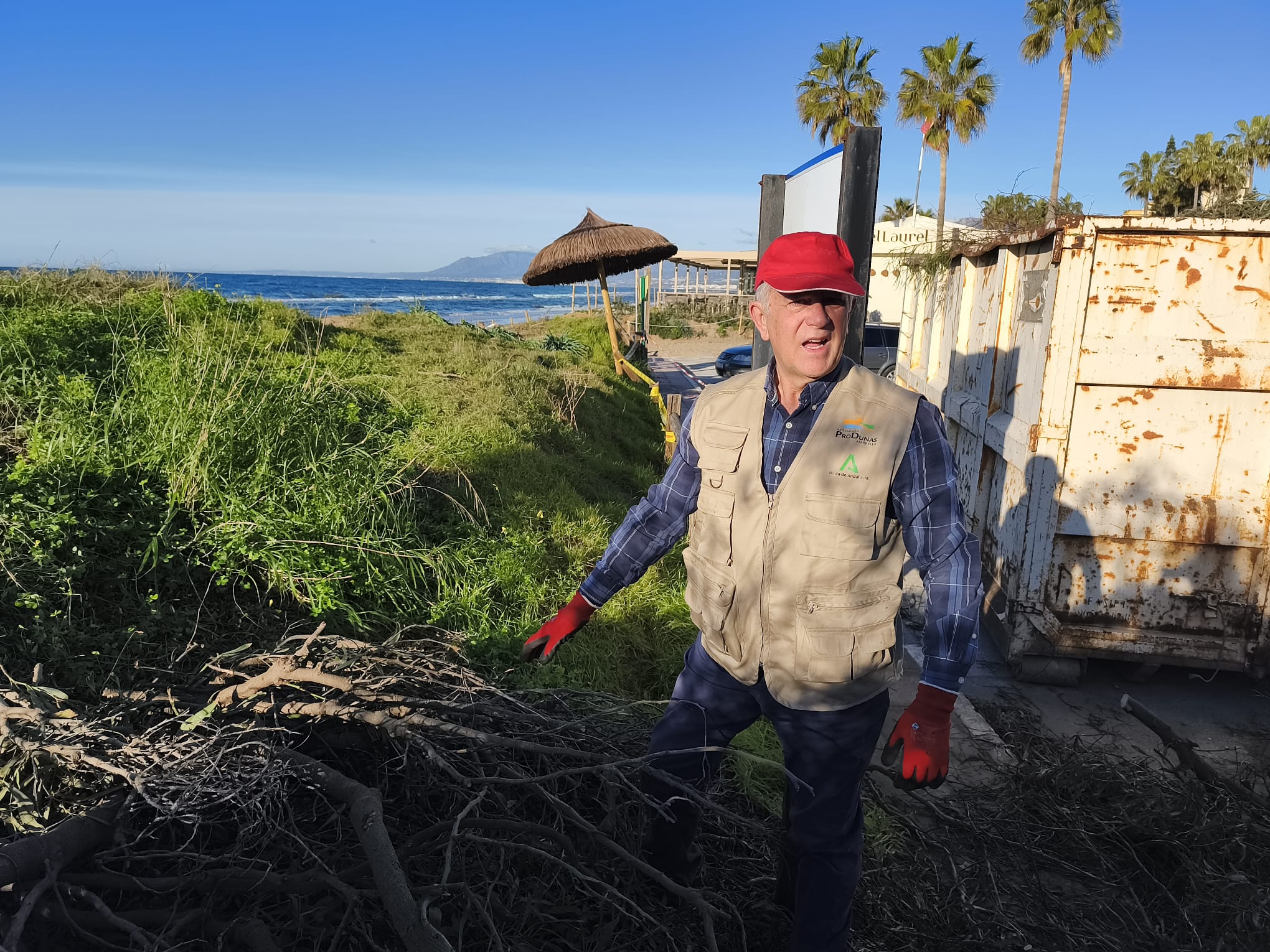
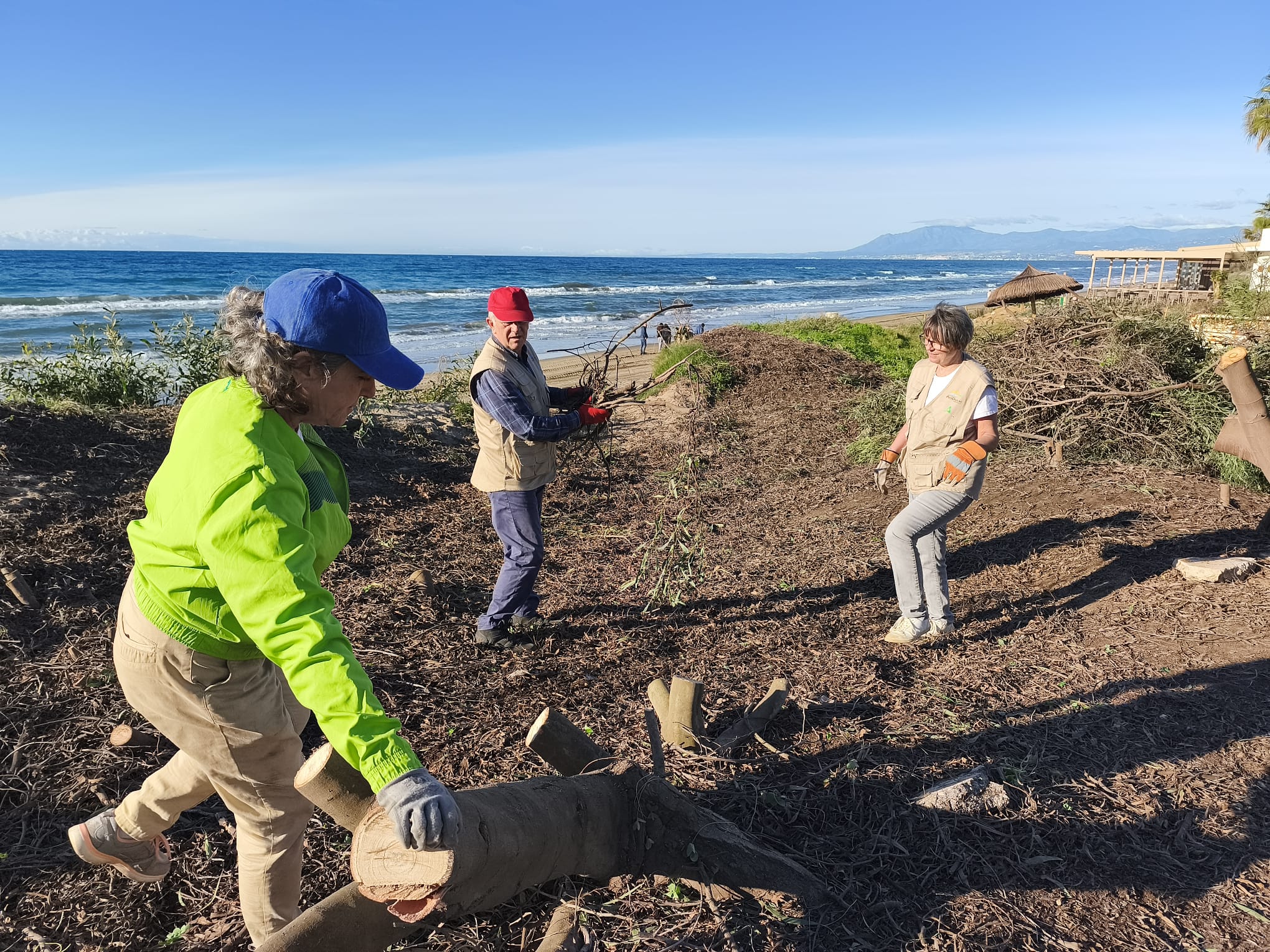
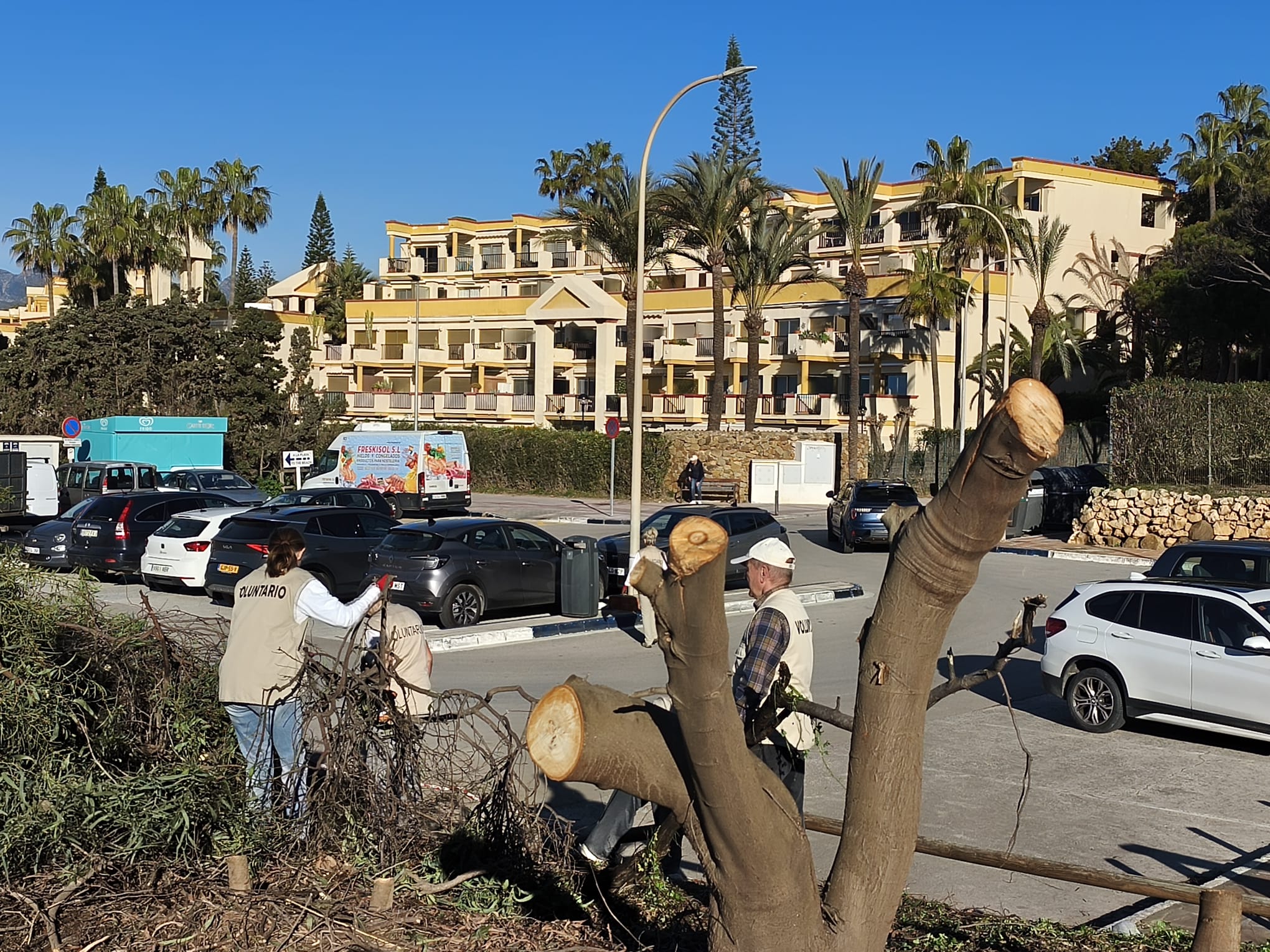
13.01.2026 Dune conservation
Dune Las Golondrinas
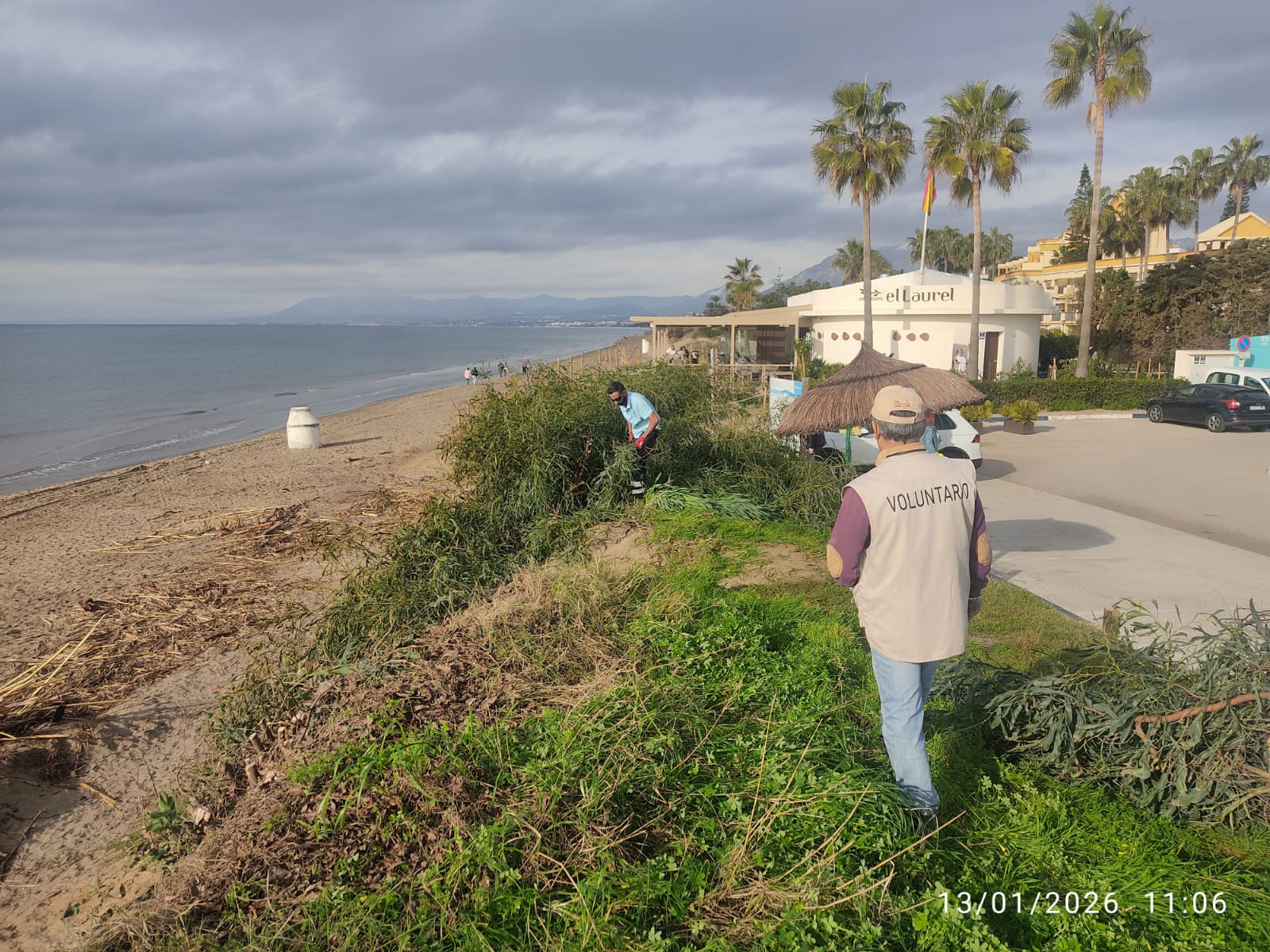
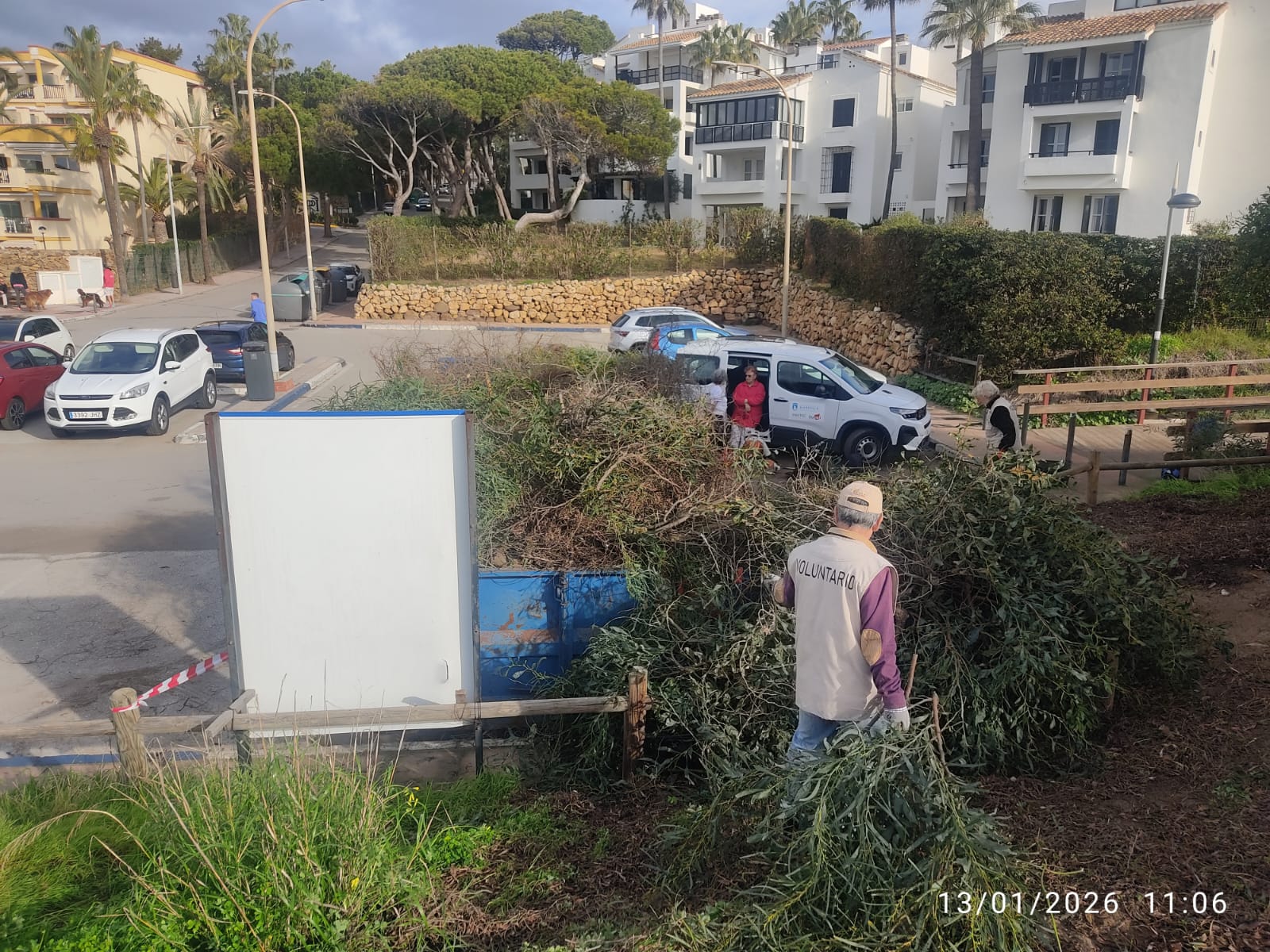
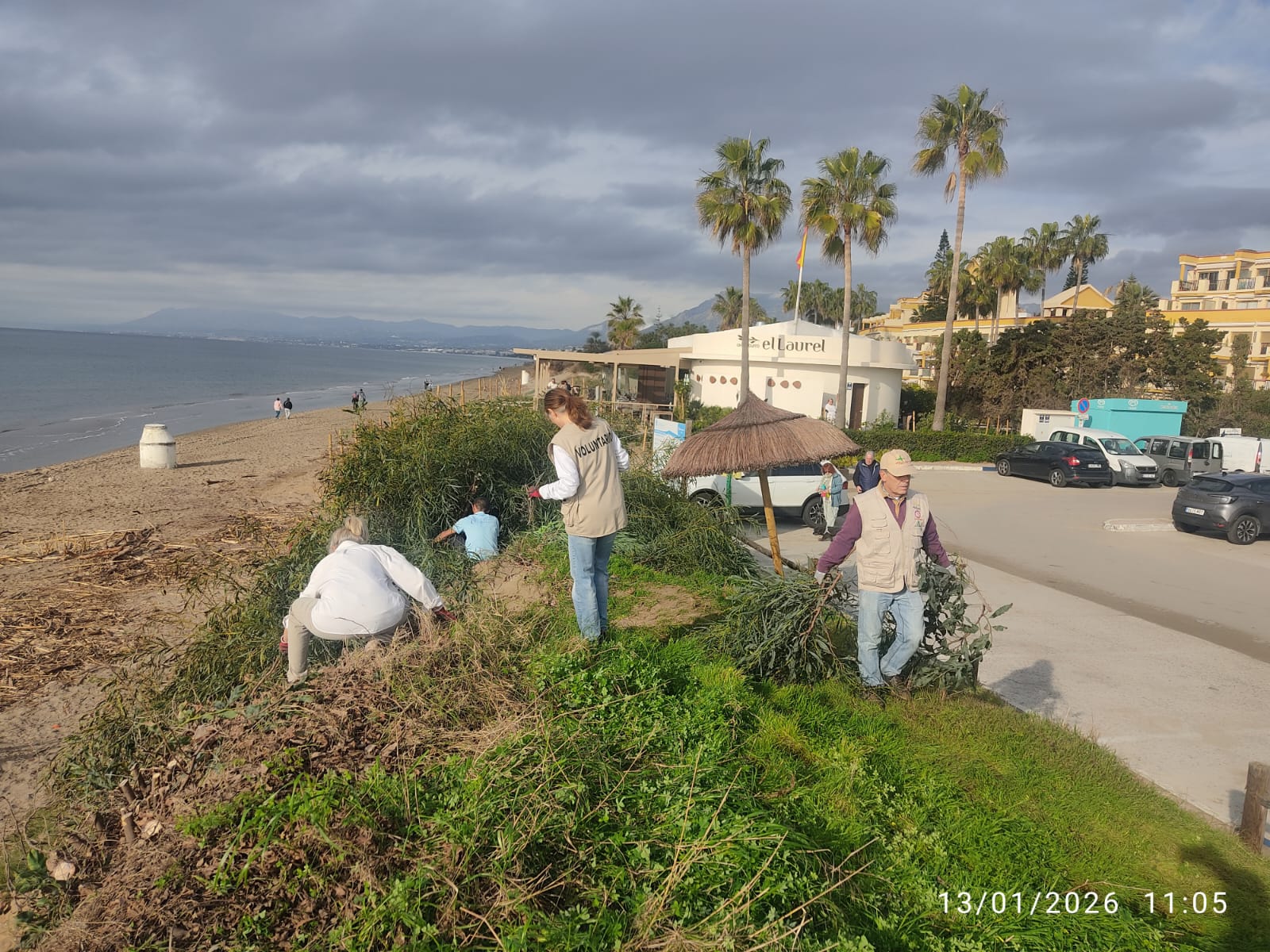
December 2025 – Ecological Restoration of the “Las Golondrinas” Dune
We are pleased to share that the Málaga Province Environment Foundation (MPEF) has expressed its support for the work carried out by ProDunas Marbella to recover and improve the condition of the Las Golondrinas dune.
This support will allow us to make progress in the restoration of this valuable dune ecosystem, where technical work will be carried out to reduce the presence of exotic species, promote native flora and strengthen the health of the entire area.
We will continue to provide updates on each step forward and the next phases of this important action along the coast.
Thank you for joining us in the conservation of Marbella’s shoreline.
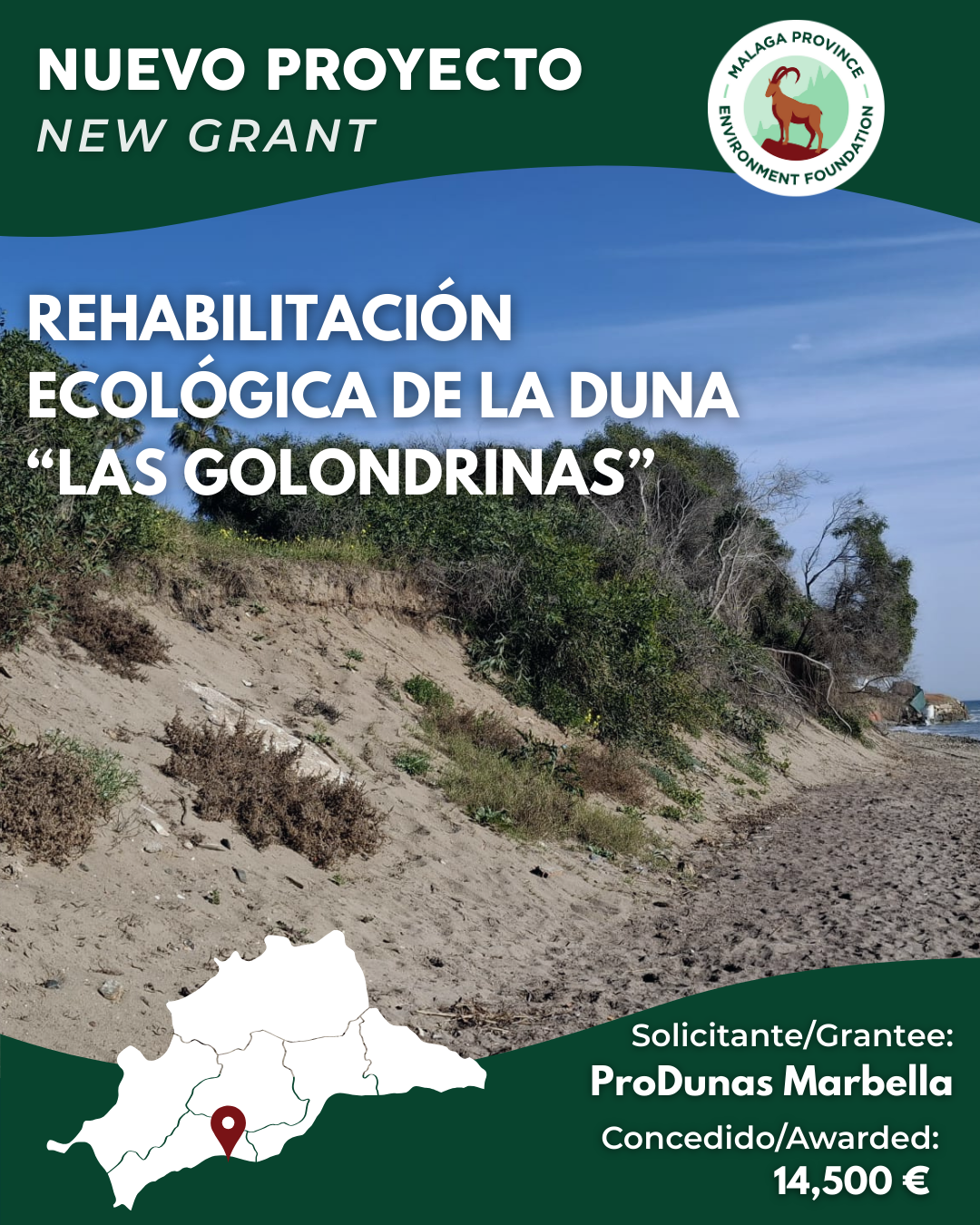
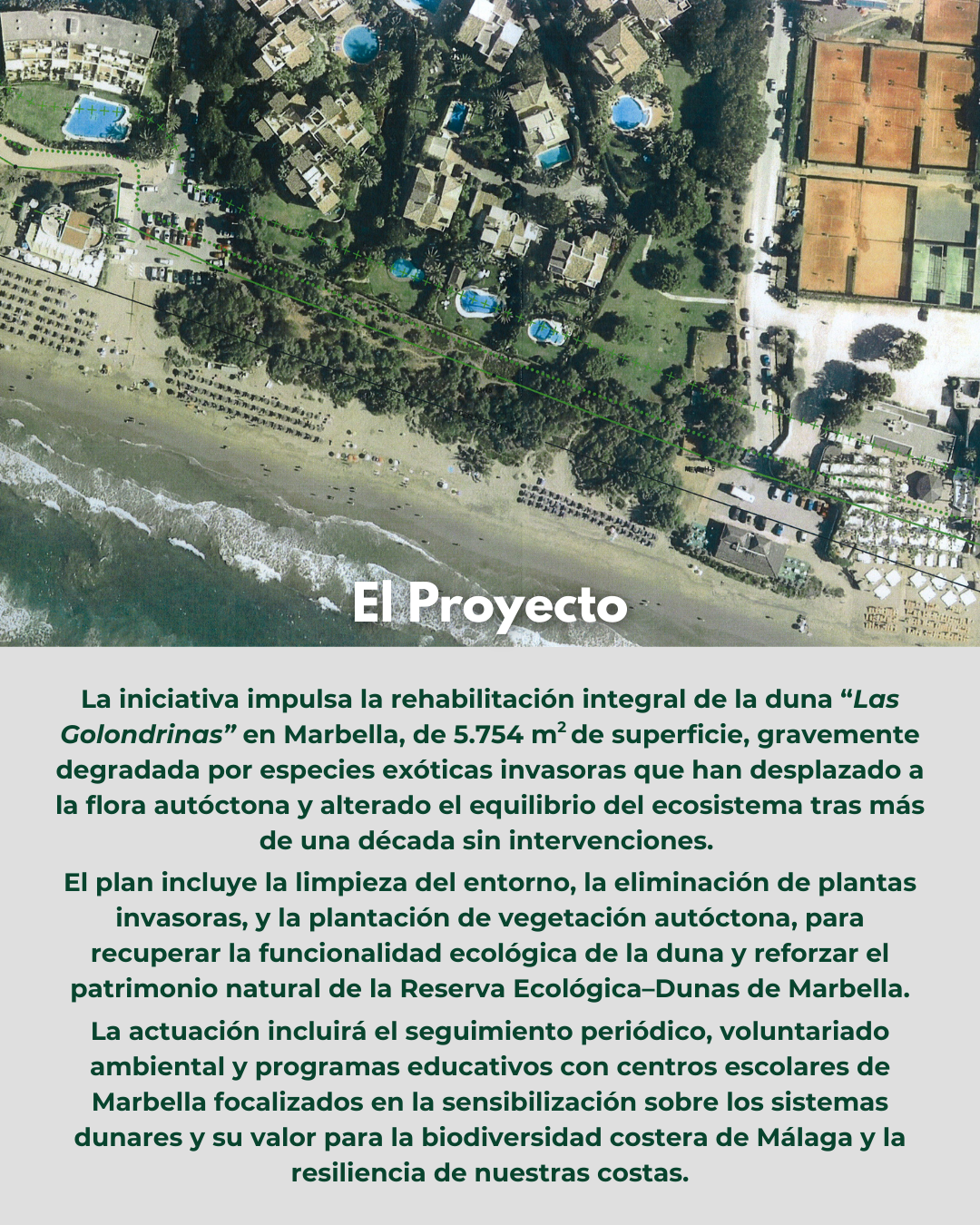
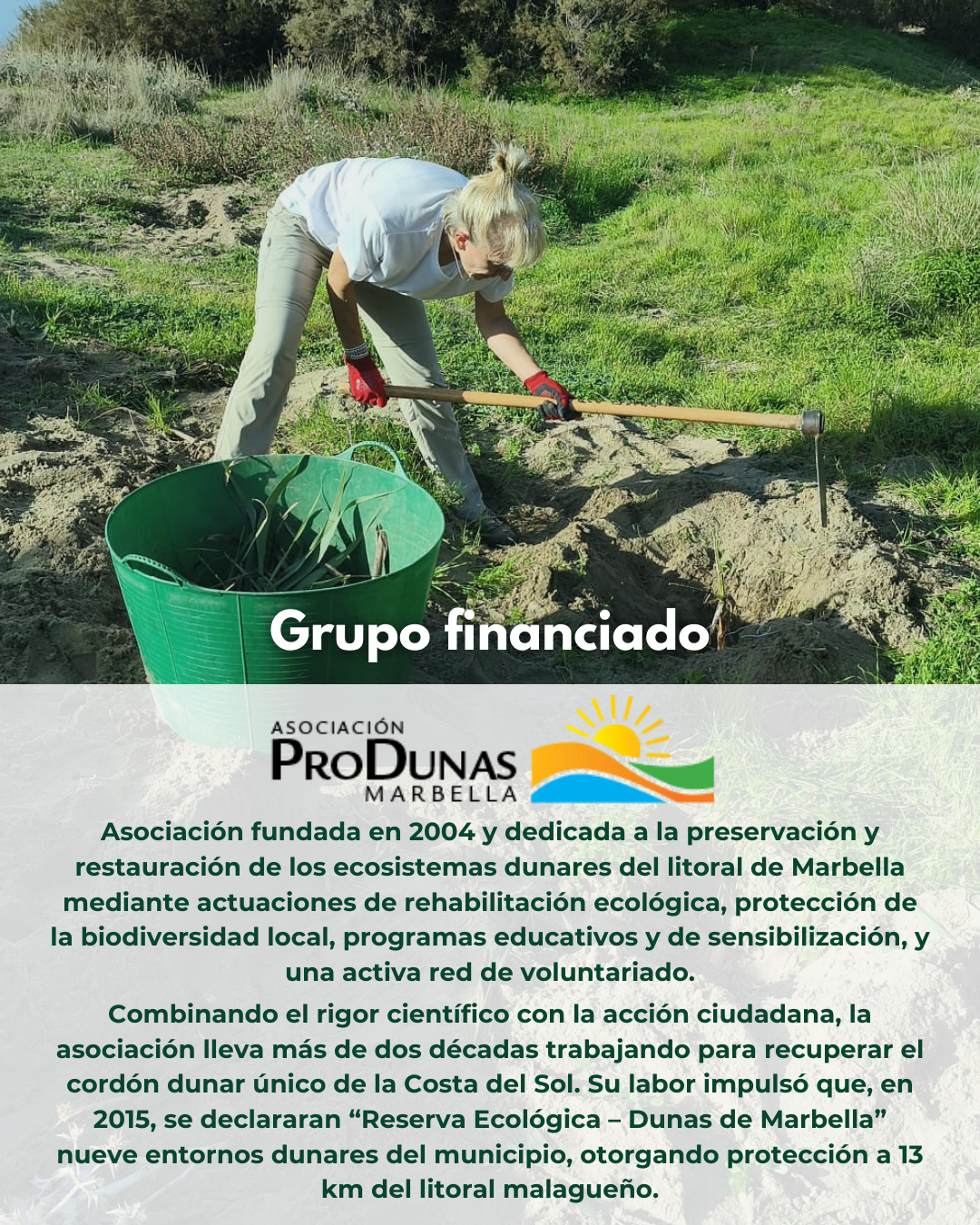
December 2025 – “Ecological Restoration of the Las Golondrinas Dune” Project
Ecological Restoration of the Las Golondrinas Dune
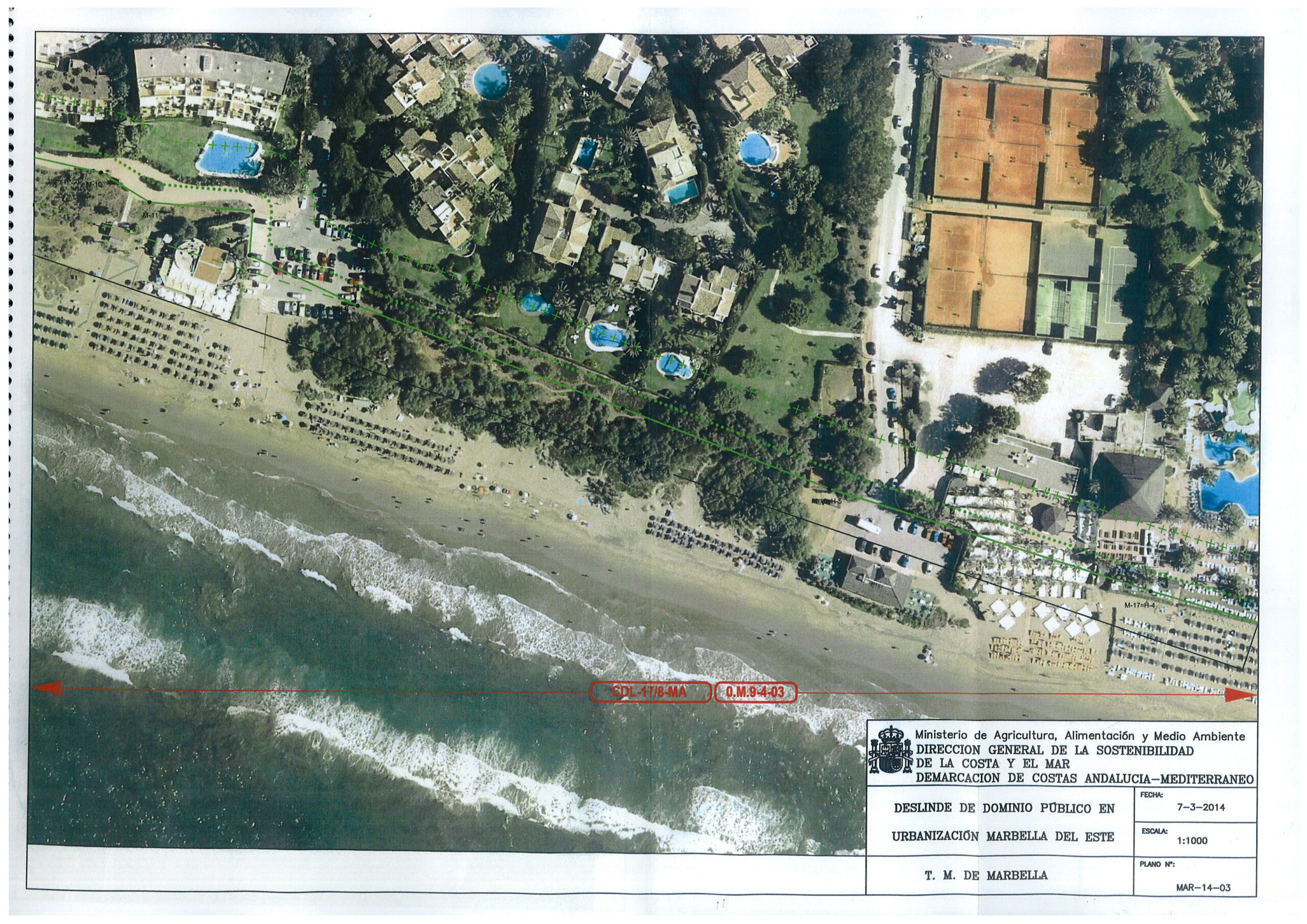
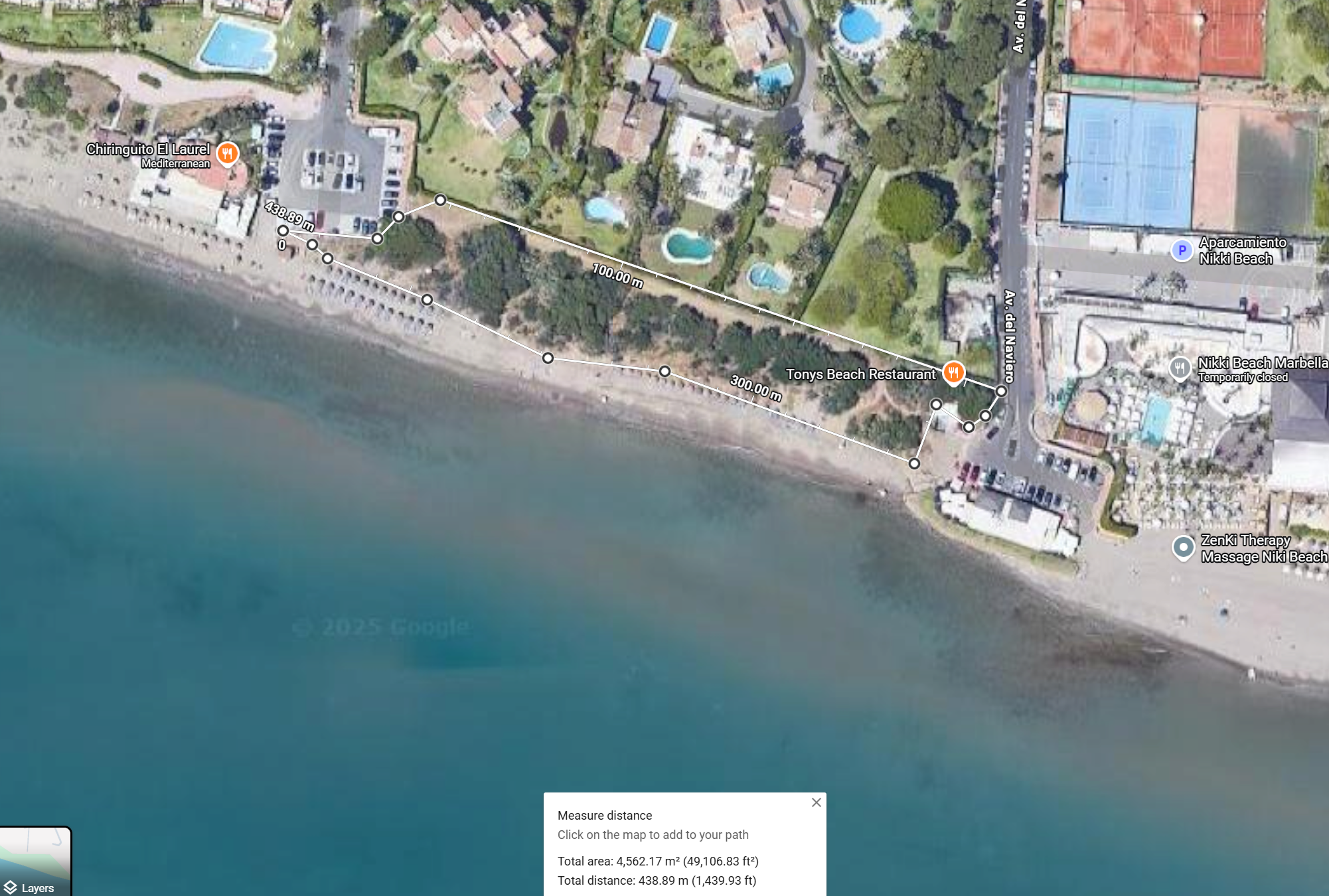
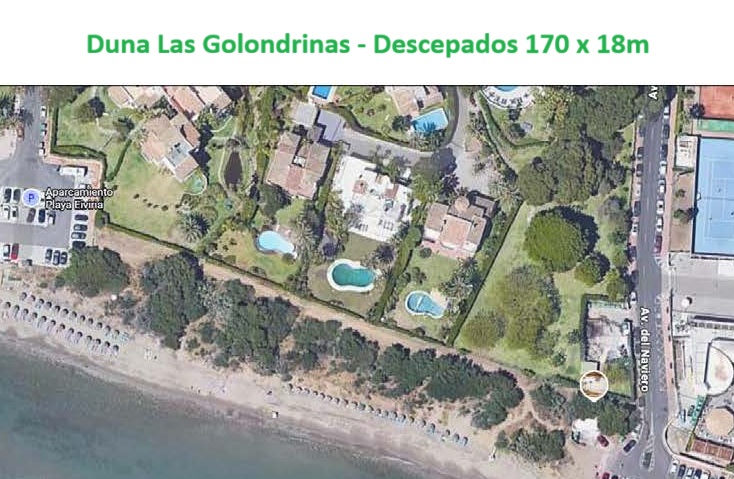
The Las Golondrinas dune, located along the coastal stretch of Las Chapas–Elviria, forms part of the Marbella Dunes Ecological Reserve, a natural area created to protect and restore the municipality’s valuable dune system. It is a distinctive coastal enclave, visited daily by residents and tourists, and plays a fundamental role as a natural barrier against storms and coastal erosion.
Its strategic location makes this dune a key element within the eastern dune system of Marbella. Restoring and preserving it means strengthening not only local biodiversity, but also the coastal protection and environmental value of the shoreline.
Current State of the Dune
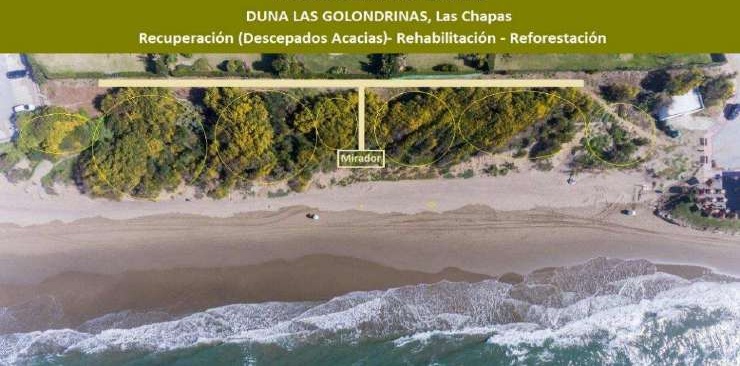
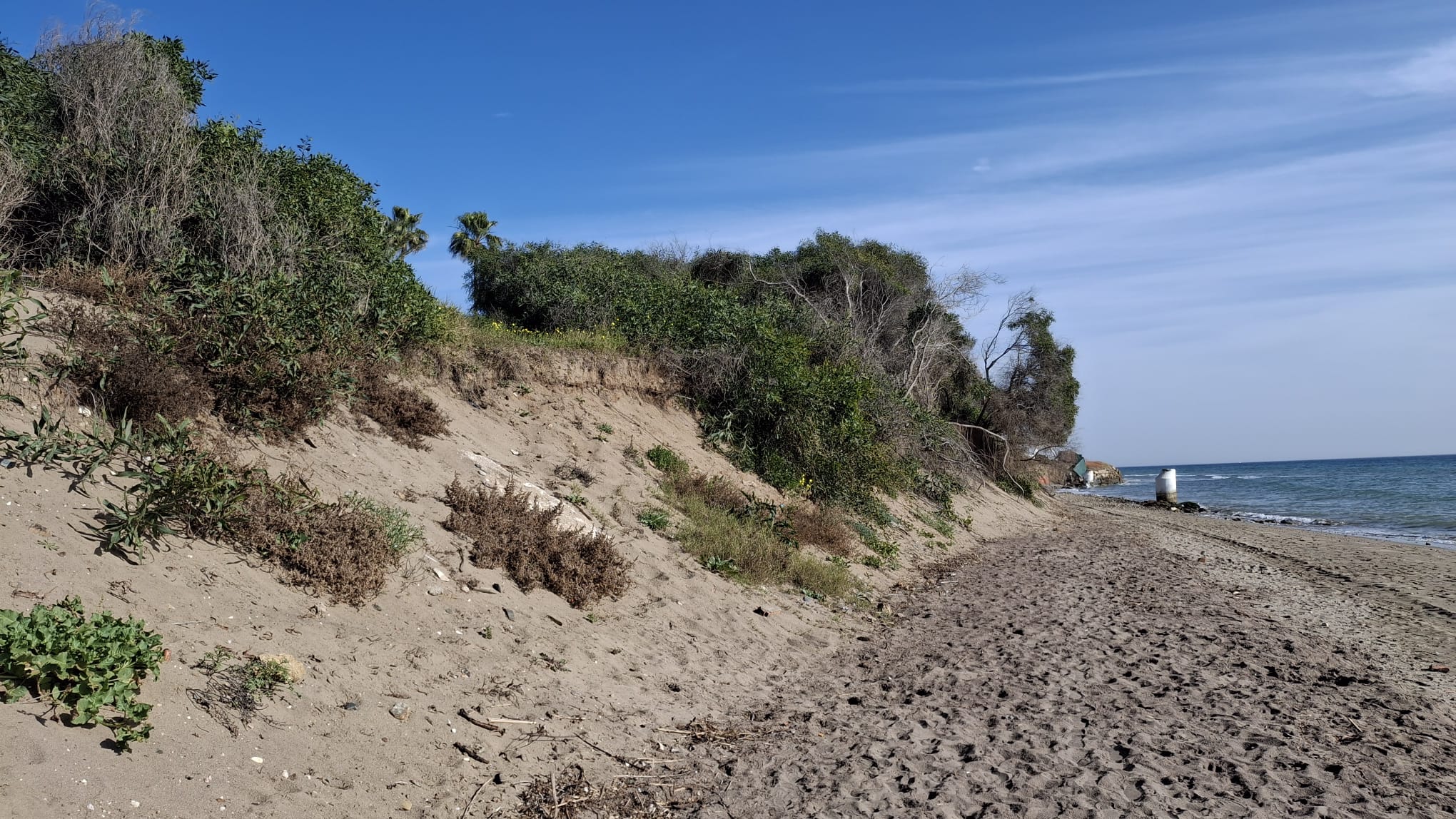
In recent years, the Las Golondrinas dune has experienced significant degradation due to the expansion of invasive exotic plant species, mainly Acacia saligna and Arundo donax. These species have colonised much of the area, displacing native vegetation and altering the natural dynamics of the ecosystem.
As a result, the following impacts have been observed:
- Loss of plant species native to the dune ecosystem.
- Reduced availability of suitable habitats for birds, pollinators, and small reptiles.
- Soil degradation and diminished capacity for natural regeneration.
- Decreased stability against erosion and climate-related impacts.
The diagnosis is clear: without intervention, degradation will continue to advance, compromising the ecological continuity of the dune system along this stretch of the coast.
Planned Actions
To reverse this situation, the restoration project includes a series of actions that will be carried out progressively and in a coordinated manner.
- Removal of invasive species
The first phase consists of the controlled removal of the invasive species dominating the area. This work will be carried out using mechanical and manual techniques, ensuring effectiveness while protecting the sandy substrate. Periodic monitoring will also take place to detect and remove any regrowth.
- Restoration with native vegetation
Once the dune has been cleared, native dune vegetation — such as white broom, dwarf fan palm, lentisk, juniper, or buckthorn — will be reintroduced. These species, naturally adapted to the climate and sandy soils, will help restore the dune’s structure and encourage the return of associated fauna.
- Maintenance and ecological monitoring
Following the initial interventions, continuous monitoring will be conducted to assess the ecosystem’s evolution and ensure proper establishment of native vegetation. This phase is essential to guaranteeing the long-term success of the restoration.
Citizen Participation and Environmental Education
The restoration of the Las Golondrinas dune is not conceived solely as a technical project, but also as an opportunity to engage the community and strengthen environmental education within the municipality.
The project includes:
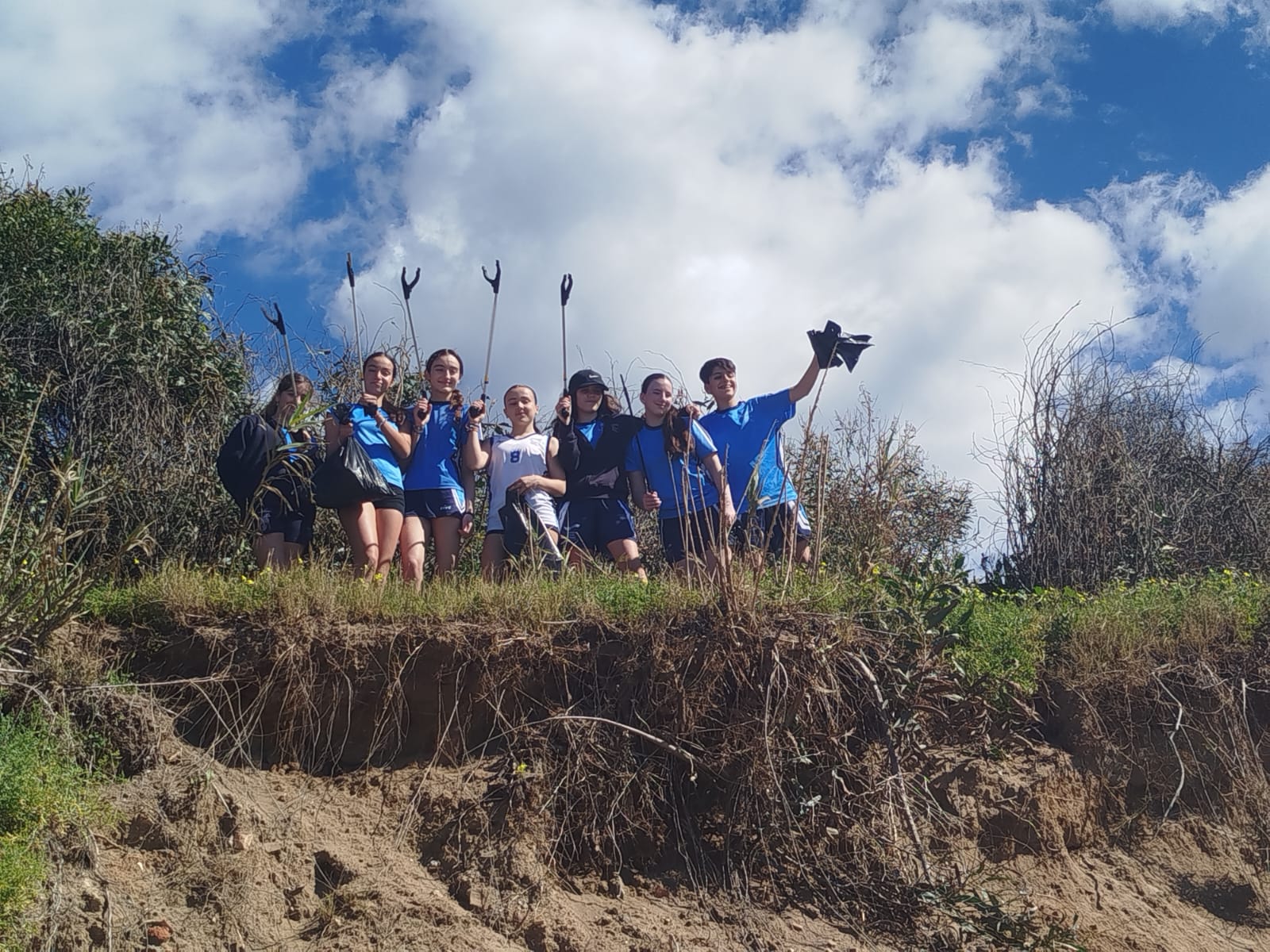
- Volunteer days open to residents, associations, and visitors.
- Educational activities with local schools, offering first-hand learning about dune ecosystems.
- Informative panels and outreach materials installed on the dune to raise awareness among those who pass through the area.
This participatory approach reinforces the social connection with the natural environment and helps the community become an active part of its conservation.
Expected Impact
The restoration of the Las Golondrinas dune will generate environmental, social, and educational benefits in the short, medium, and long term. Among the expected outcomes:
- Progressive recovery of native vegetation and improved biodiversity.
- Greater stability of the dune as a natural barrier against storms and erosion.
- Return of bird species and pollinators that depend on this type of habitat.
- Increased public awareness of the value of coastal ecosystems.
- Creation of a visitable natural space that reinforces the municipality’s ecological identity.
The dune will become a benchmark for environmental restoration within the Marbella Dunes Ecological Reserve.
Institutional Commitment
At ProDunas Marbella, we have been working for more than 20 years to protect, restore, and highlight the municipality’s natural heritage. The recovery of the Las Golondrinas dune represents another step in this collective commitment, supported by institutions, schools, businesses, and volunteers.
This project is an investment in the future of the coastline, in the health of the dune ecosystem and in the environmental quality of Marbella, ensuring that this natural enclave remains alive and in balance for present and future generations.
Do you want to receive our Newsletter?
Do you want to become a member or be our friend of the dunes?
Asociación ProDunas Marbella
The Association works tirelessly for the defence and preservation of the unique ecosystems that survive in the natural sand dune environments in the Province of Málaga; promotes the protection of native flora and small wildlife; promotes recovery, rehabilitation and conservation of interesting biodiversity of sand dunes areas in the municipality of Marbella.